
Styling Notes
Styling Notes
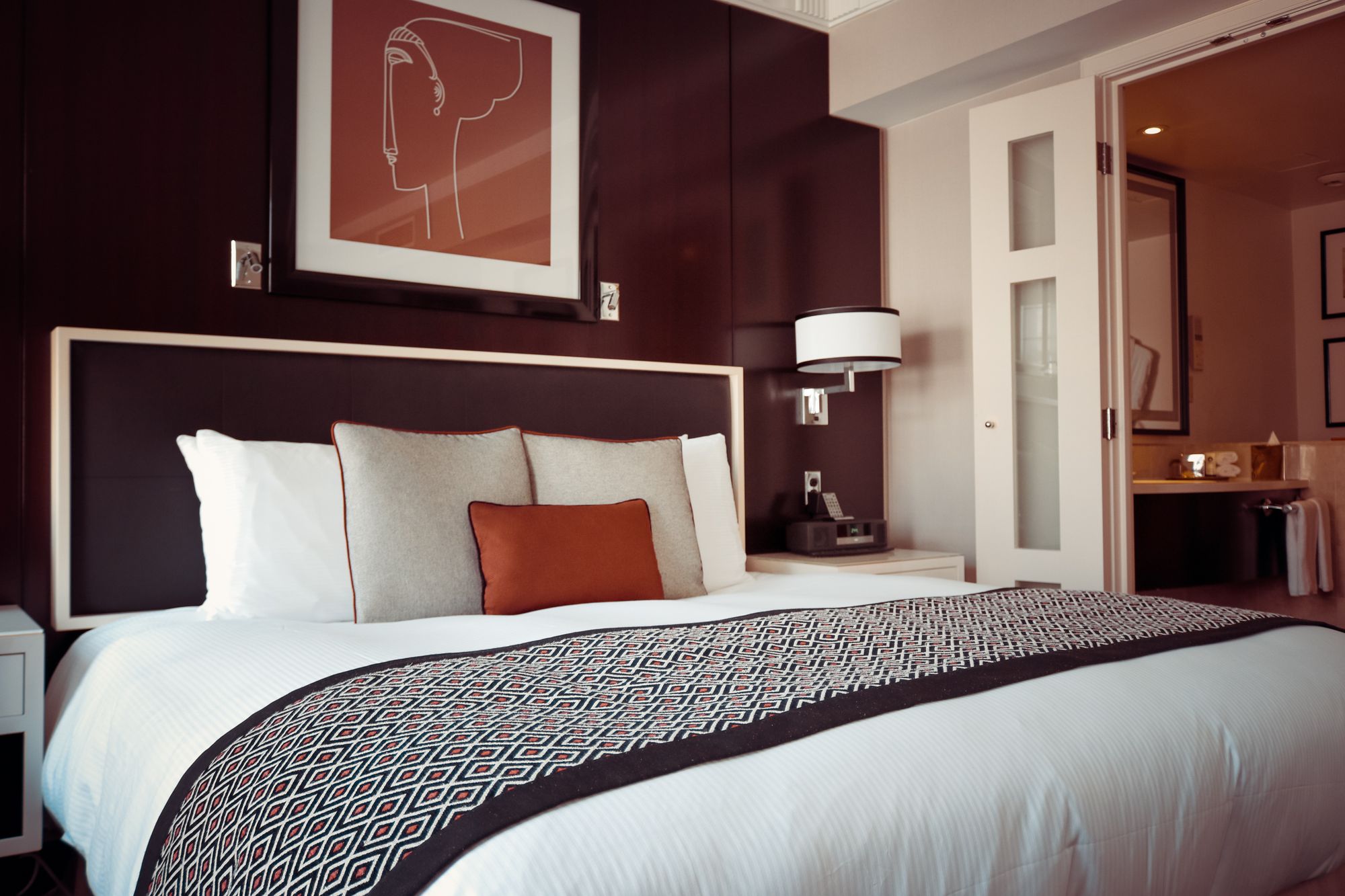
A considered guide to layering bedding, balancing texture and creating a bedroom that feels calm, tactile and naturally lived in.
A quieter approach to styling
A beautiful bed should feel composed, not overworked.
Begin with the pieces that shape how the room feels: soft bedding, generous pillows and a restrained palette. Each layer should have a purpose, whether it adds warmth, texture or an easy sense of comfort.
The most restful spaces are rarely defined by excess. They rely on subtle contrast, natural folds and tactile materials that work together without demanding attention.
Layer with intention.
Use a small number of thoughtful elements and allow fabric, proportion and texture to create the visual interest.
Start with a calm foundation
Build from sheets, duvet covers and foundational bedding in soft neutrals that give the room visual quiet.
Add tactile depth
Introduce cushions, blankets and throws with subtle differences in weave, softness and weight.
Finish with restraint
Leave room for natural folds and open space. A relaxed composition often feels more refined than perfect symmetry.

Note One · The Bed
Build from light to substantial.
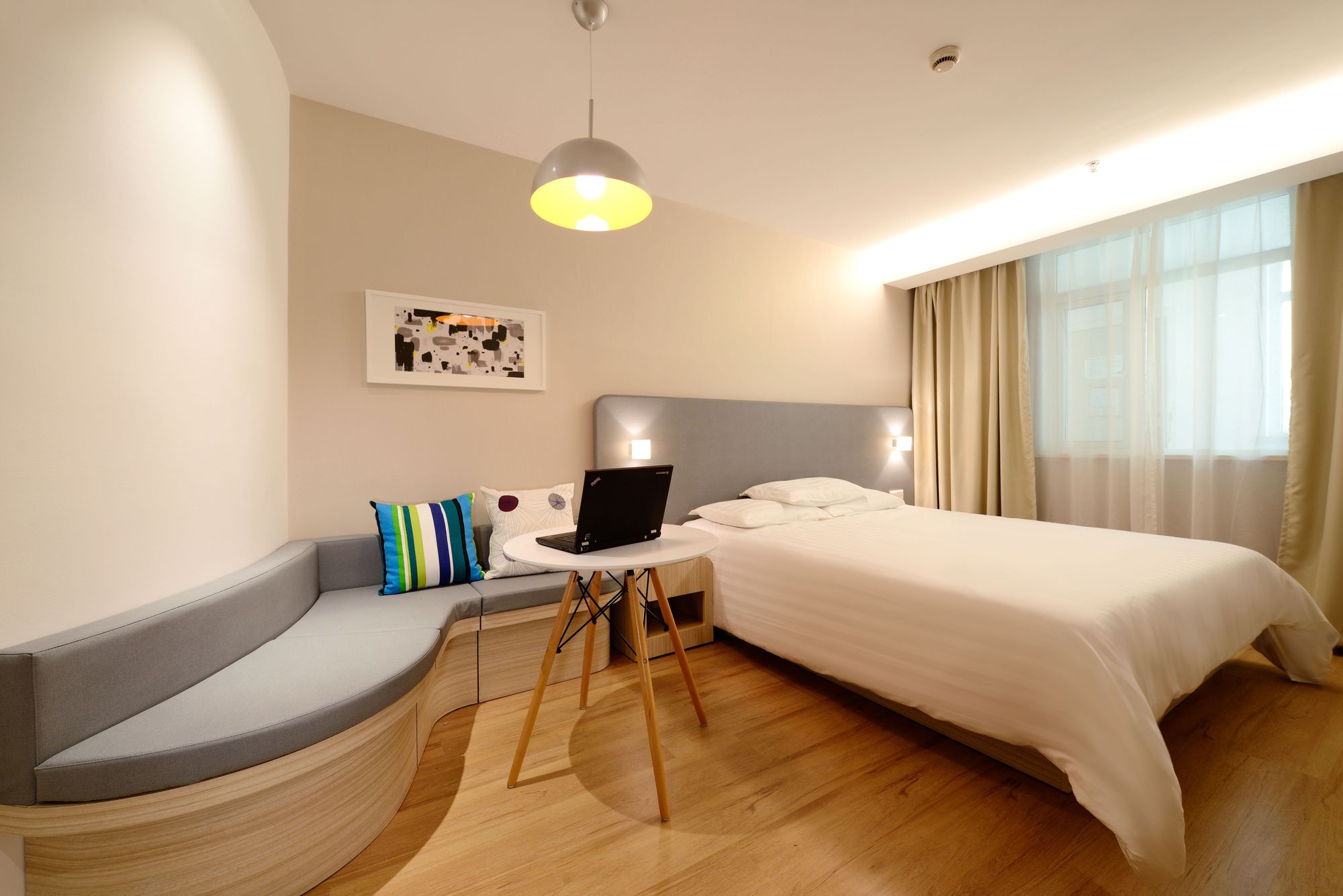
Think of the bed as a sequence of soft layers rather than a single finished surface. Start with the pieces closest to the body, then add progressively more tactile and visually substantial elements.
Keep the fitted and top layers smooth enough to establish a clean foundation.
Allow the duvet or comforter to create softness and volume without forcing every edge into perfect alignment.
Use pillows and decorative cushions to build height gradually instead of creating a rigid wall of shapes.
Finish with a folded or naturally draped throw to introduce one final change in texture.
Note Two · Texture
Let texture create the contrast.
When the palette is restrained, differences in fabric become more visible. Smooth surfaces can sit beside washed textures, softly structured cushions and relaxed throws without making the bedroom feel busy.
Rather than matching every piece exactly, choose materials that share a similar mood. A slight shift in weave or finish is often enough to create depth.

Work within a narrow family of tones.
Ivory, oatmeal, linen, taupe and softened brown can sit together naturally when their undertones feel related.

Small details, quieter impact.

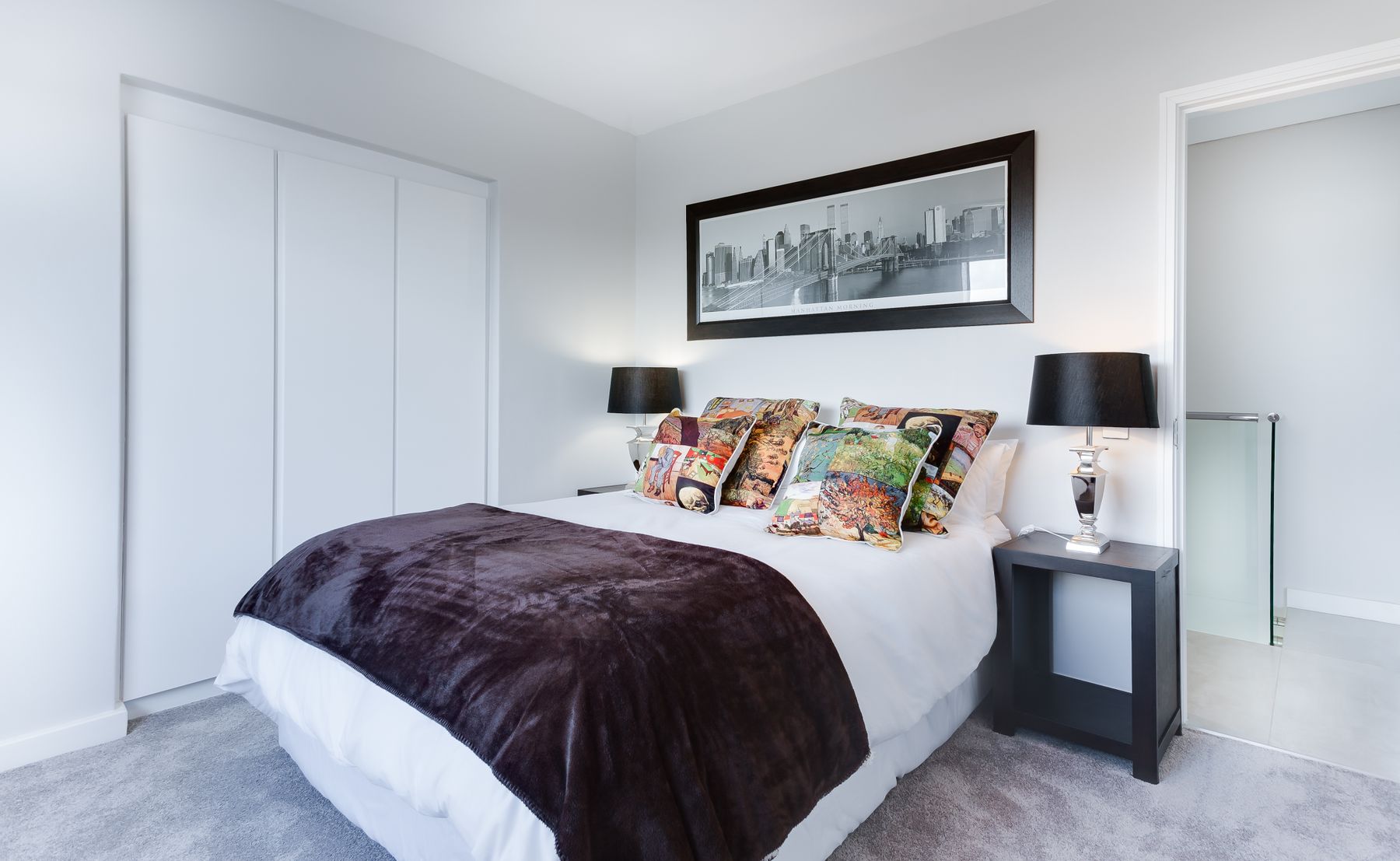
Vary scale before adding quantity.
A few cushions in different proportions can create more interest than a large group of identical shapes.
Explore Products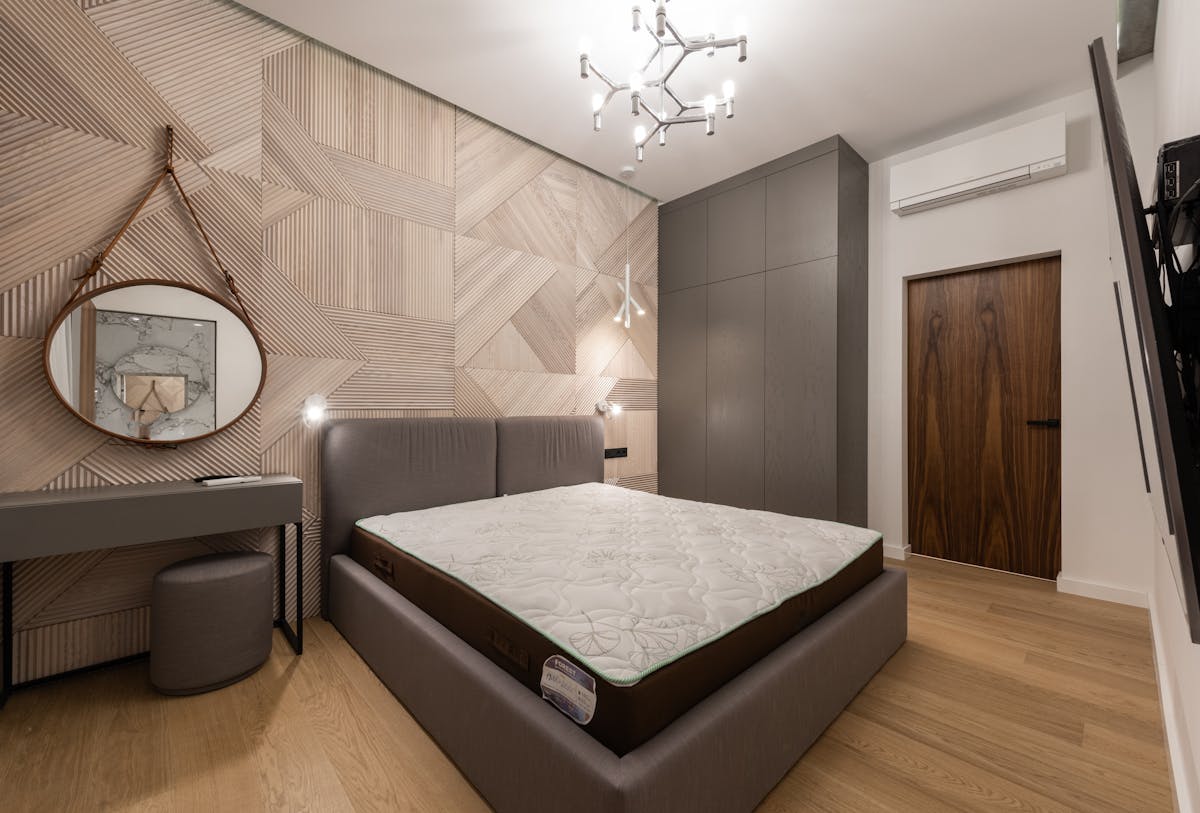
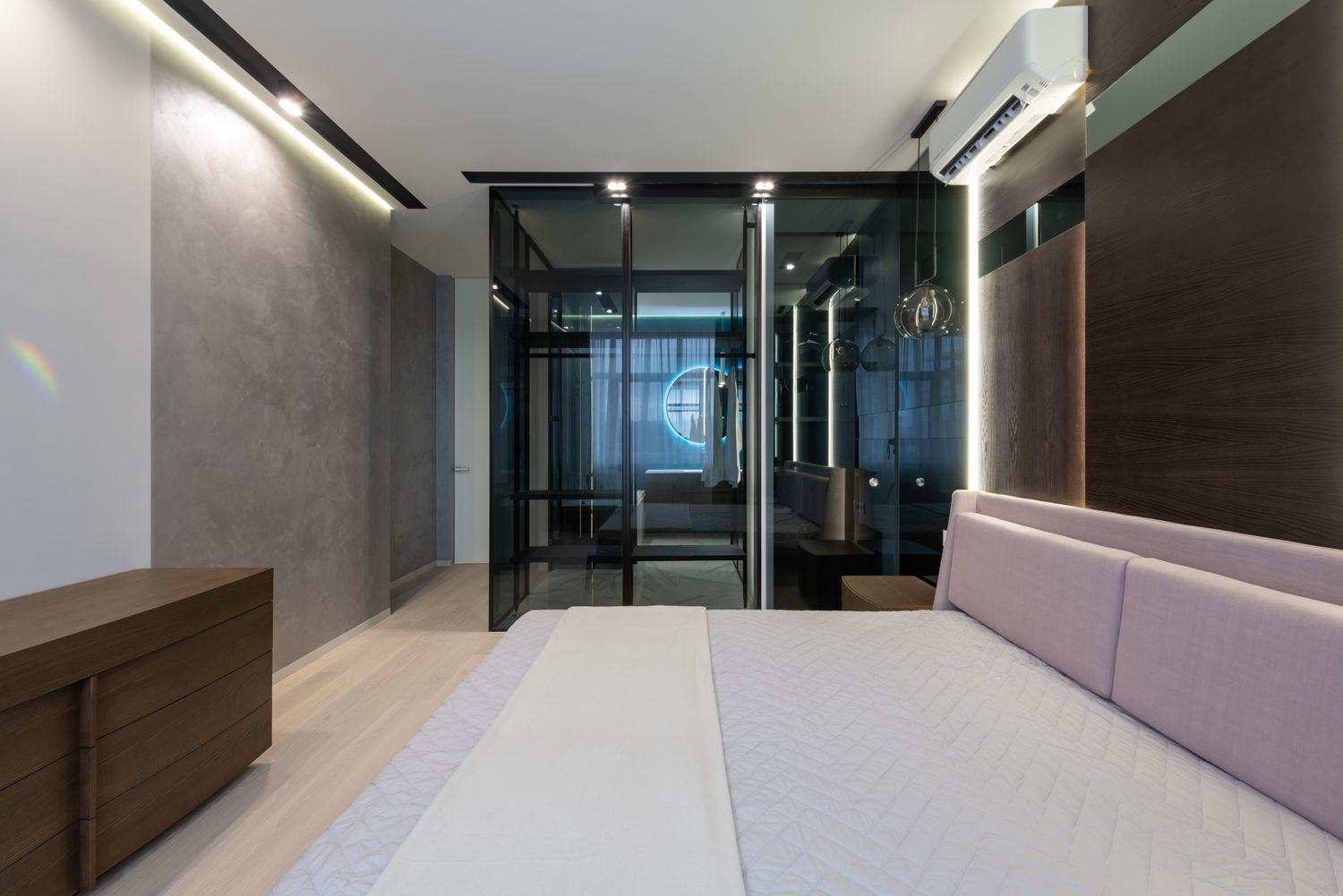
Allow one layer to feel relaxed.
Fold loosely or drape a blanket across the lower bed so the room feels comfortable rather than overly arranged.
Browse Products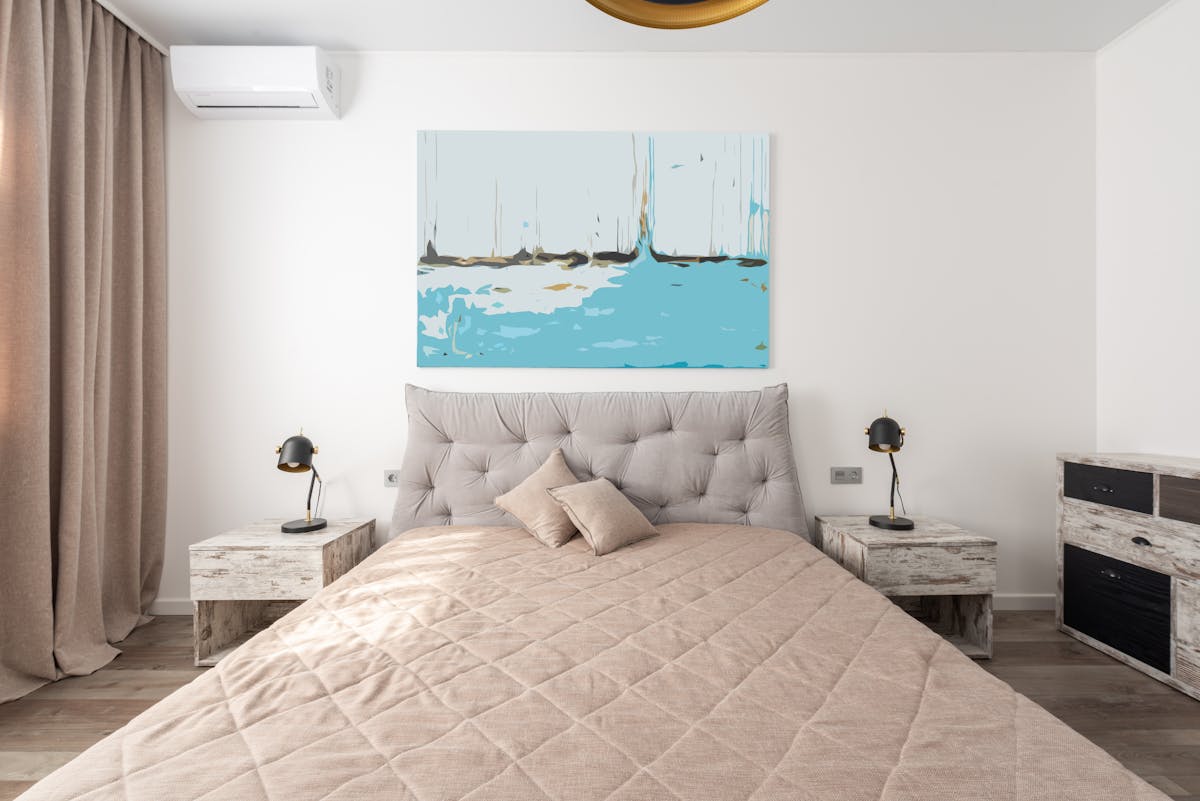
Create height without rigidity.
Keep supportive pillows toward the back and bring softer shapes forward for an easy, layered composition.
View BeddingThe Styling Rhythm
Four ideas to return to.
Echo a tone once or twice across bedding and cushions instead of matching every element.
Combine smooth, brushed, woven and relaxed surfaces while keeping the overall palette controlled.
Not every corner needs another layer. Open areas help the textures you choose feel more intentional.
Gentle folds and natural softness give bedding a quieter character than a rigid showroom finish.
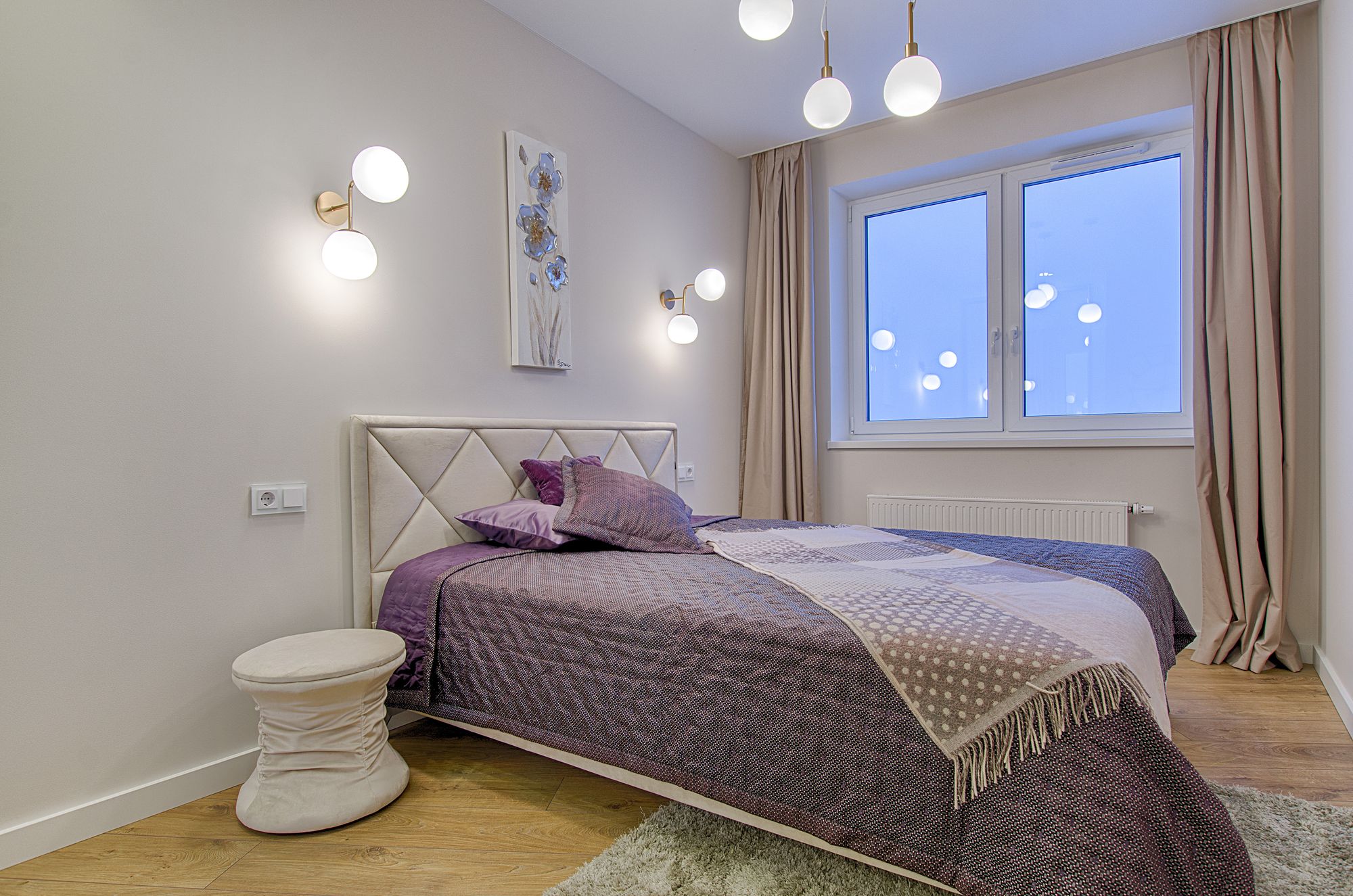
Make room for softer living.
Explore considered bedding, cushions, blankets and textile layers designed to bring warmth, texture and calm into the everyday bedroom.